

Health Insurance 101: How PPOs, Deductibles, Networks & Coverage Work
Health insurance gets easier to compare once you understand how the major pieces work together. PPO and HMO networks, deductibles, out-of-pocket costs, and plan rules can all affect what you pay and where you can receive care.
This Health Insurance 101 guide breaks those concepts down in plain language so you can better understand your coverage options before choosing a plan.


How Health Insurance Coverage Works
Health insurance is built around a few core concepts that determine how care is accessed and how costs are shared between you and the insurance company. While plans may look similar at first glance, small differences in structure can significantly affect how coverage works once medical care is needed.

Provider Networks
Most health insurance plans operate within provider networks. These networks determine which doctors, hospitals, and specialists are considered in-network. Plans with broader networks typically offer more flexibility in choosing providers, while narrower networks may require referrals or limit where care can be received. Understanding network structure is often more important than comparing premiums alone.

Deductibles and Out-of-Pocket Maximums
A deductible is the amount paid before certain benefits begin. For ACA-compliant plans, the out-of-pocket maximum generally limits what you pay for covered in-network services during a plan year. Premiums and certain other costs do not count toward that limit.. These two numbers work together to determine how predictable coverage feels when care is needed. Plans with lower premiums may have higher deductibles, which becomes more noticeable when healthcare usage increases.
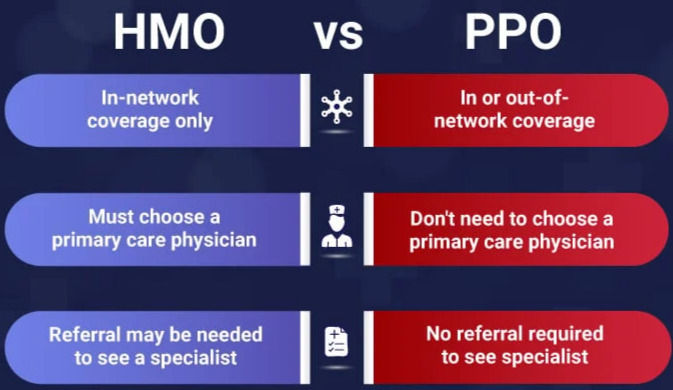
PPO vs HMO Plan Structures
PPO and HMO plans differ primarily in how care is accessed. PPO-style plans generally allow more flexibility when choosing providers and do not always require referrals for specialists. HMO plans often require care to begin with a primary physician and may limit out-of-network coverage. The right structure depends on how you prefer to manage healthcare rather than which option appears less expensive initially.

Marketplace vs. Medically Underwritten Private Health Insurance
Marketplace plans provide standardized coverage options and may offer subsidies depending on income eligibility. Medically underwritten private health insurance options can vary by carrier, state, health eligibility, network, and benefit structure.. Understanding how these approaches differ helps prevent confusion when comparing plans that appear similar on paper.
Health Insurance Based on Life Situations
Health insurance needs often change based on life or career transitions. Understanding which direction typically fits your situation can make the decision process easier.

Leaving Employer Coverage
Individuals transitioning away from employer-sponsored insurance often need to replace coverage quickly while maintaining access to preferred doctors. Personal health insurance options allow individuals to select coverage based on their own needs rather than employer plan structures.
Common Misunderstandings About Health Insurance
Many frustrations with health insurance come from misunderstandings rather than lack of options. A lower monthly premium does not always result in lower overall costs if deductibles or network limitations make care difficult to access. Similarly, plans that appear identical on paper may function very differently depending on how often healthcare is used.
Another common misconception is that choosing coverage is primarily a price comparison. In practice, provider access, network flexibility, and how coverage works during actual medical situations tend to matter more over time. Understanding these differences before enrolling helps avoid unnecessary changes later.
Where to Go Next
If you are unsure which type of coverage fits your situation, the next step is identifying the coverage approach that best matches your needs.
If you would prefer to review your situation directly, you can also schedule a consultation to discuss your options and receive clear guidance before making a decision.

Free Health Insurance Consultation

Frequently asked questions
Looking for Straightforward Health Insurance Guidance?
Check Out Our Health Insurance Insights and Guides!
We're constantly putting out more and more information about health insurance so that anyone who might be in need of coverage can enter the conversation better informed. Getting the coverage that you actually need is always easier when you know what you're walking into.
